
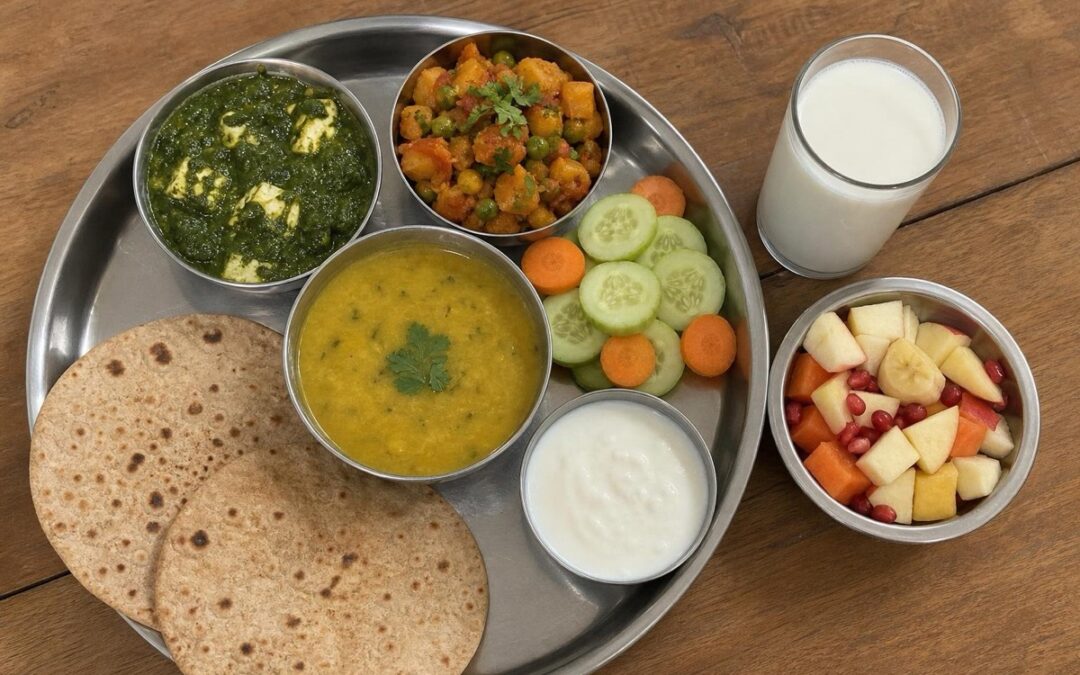
A healthy Indian pregnancy diet is a normal, balanced home diet with a little more protein, iron, calcium and folate. You don’t need to “eat for two”: most women need no extra calories in the first trimester, around 350 extra a day in the second, and about 450 in the third. Focus on dal, curd, paneer, eggs or lean meat, green vegetables, whole grains and fruits, and take the iron, folic acid and calcium tablets your doctor prescribes.
The moment a pregnancy is announced in most Punjabi and Haryanvi homes, the advice starts pouring in. “Eat ghee, it’ll make delivery easy.” “Don’t eat papaya.” “Have two glasses of milk with dry fruits.” “Eat for two now!”
Some of it is wise. Some of it isn’t. Here’s a practical, doctor-approved guide to eating well during pregnancy, built around food you already have in your kitchen. Consulting the Best gynecologist in Panchkula can also help you understand your nutritional requirements and maintain a healthy pregnancy.
Do You Really Need to Eat for Two?
No. Your baby needs better nutrition, not double the quantity. Roughly:
- First trimester: no extra calories needed.
- Second trimester: about 350 extra calories a day, about one extra small meal such as a bowl of dal with a roti and some curd.
- Third trimester: about 450 extra calories a day.
Gaining too much weight raises the risk of gestational diabetes, high blood pressure and a difficult delivery.
Regular antenatal check-ups at a reliable Maternity clinic in Panchkula can help monitor your weight, nutritional needs and baby’s development throughout pregnancy.
The Key Nutrients and Where to Find Them
Protein
For the baby’s growth. Have some at every meal: dal, rajma, chana, sprouts, paneer, curd, milk, eggs, chicken or fish (well cooked).
Iron
Anaemia is very common in Indian pregnancies. Eat green leafy vegetables (palak, methi, sarson), beetroot, dates, jaggery in moderation, eggs and meat. Have iron-rich food with vitamin C (lemon, amla, oranges) and avoid tea and coffee with meals, as they block iron absorption. Take the iron tablets you’re given.
Calcium
For the baby’s bones and yours. Milk, curd, paneer, ragi, til (sesame) and green vegetables. Your doctor will likely prescribe calcium tablets too.
Folate (folic acid)
Protects against neural tube defects. Green leafy vegetables, dals, citrus fruits. Folic acid tablets are ideally started before conception and continued through the first trimester.
Fibre and water
To prevent constipation, a very common complaint. Whole wheat roti, vegetables, fruits, and 8 to 10 glasses of water a day.
A Sample Day of Eating
- Early morning: a glass of milk or a few soaked almonds and walnuts.
- Breakfast: vegetable poha, besan chilla, stuffed roti with curd, or eggs with toast.
- Mid-morning: a fruit (apple, guava, orange, banana) or coconut water.
- Lunch: 2 rotis or a bowl of rice, dal, a green vegetable, salad and curd.
- Evening: roasted chana, sprouts chaat, or a handful of makhana.
- Dinner: roti, paneer or chicken or dal, a vegetable, and soup.
- Bedtime, if hungry: a glass of milk.
Small, frequent meals are easier in the first trimester (with nausea) and the third (when the stomach has less room).
Foods to Limit or Avoid
- Raw or undercooked eggs, meat and fish.
- Unpasteurised milk and paneer made from it.
- Street food and cut fruit from roadside stalls, especially in summer and monsoon.
- Too much caffeine: keep tea and coffee to about two cups a day.
- Alcohol and smoking, completely.
- Excess sweets, fried snacks and packaged foods.
- Herbal remedies and “garam” preparations without asking your doctor.
Our article on foods to avoid during pregnancy covers this in more detail.
Common Myths
“Ghee makes delivery easier.”
There’s no evidence for this. A spoonful of ghee in food is fine, but large amounts just add weight.
“Papaya causes miscarriage.”
Ripe papaya in normal amounts is generally considered safe. Raw, unripe papaya is best avoided.
“Eating saffron makes the baby fair.”
Skin colour is genetic. Saffron won’t change it.
“You must drink lots of milk with dry fruits.”
Milk and nuts are nutritious, but in moderation. Dry fruits are high in calories.
Frequently Asked Questions
What should I eat in the first trimester with nausea?
Small, frequent, bland meals: dry toast, khakhra, rusks, rice, curd, coconut water. Ginger and lemon may help.
Is a vegetarian diet enough in pregnancy?
Yes, with enough dal, legumes, milk, curd, paneer and nuts. Your doctor may check iron and vitamin B12 levels.
How much weight should I gain?
Typically 10 to 12 kg for women of normal weight, less if you started overweight. Your doctor will guide you based on your pre-pregnancy BMI and health.
Can I fast during pregnancy?
Long fasts aren’t advised. If fasting is important to you, discuss it with your doctor first.
Do I need supplements if I eat well?
Yes. Iron, folic acid and calcium are routinely recommended in pregnancy in India, even with a good diet.
Conclusion
A balanced pregnancy diet supports your baby’s growth and helps you maintain your own health throughout pregnancy. Along with nutritious home-cooked meals, regular antenatal check-ups and personalised dietary advice are important.
If you are looking for the Best gynecologist in Panchkula, consult a specialist who can guide you through pregnancy nutrition, weight management and routine prenatal care. A trusted Maternity clinic in Panchkula can also provide ongoing support throughout your pregnancy.
For personalised advice on diet and weight gain in your pregnancy, book an antenatal consultation with Dr Deepika Arora in Sector 5, MDC Panchkula.
Recent Comments